Buy etechnic.eu ?
We are moving the project
etechnic.eu .
Are you interested in purchasing the domain
etechnic.eu ?
domain@kv-gmbh.de · 0541-91531010
Buy etechnic.eu ?
Pro or Contra: Vapor barrier?
Pro: A vapor barrier can help prevent moisture from entering the walls of a building, which can reduce the risk of mold and mildew growth. It can also help improve the energy efficiency of a building by reducing the amount of moisture that can seep into the insulation and decrease its effectiveness. Contra: On the other hand, a vapor barrier can also trap moisture within the walls if not properly installed, leading to potential issues with condensation and mold growth. It can also make it more difficult for a building to dry out if moisture does get in, potentially leading to long-term damage. Additionally, in some climates, a vapor barrier may not be necessary and could even be detrimental to the overall performance of the building. **
Is a vapor barrier mandatory?
A vapor barrier is not always mandatory, but it is often recommended in certain situations. In colder climates, a vapor barrier can help prevent moisture from entering the walls and causing damage. In warmer climates, a vapor barrier may not be as necessary, but it can still help with energy efficiency and preventing moisture issues. Ultimately, the decision to use a vapor barrier should be based on the specific climate and conditions of the building. **


Similar search terms for Vapor barrier
Top-Angebote
Products related to Vapor barrier:
-
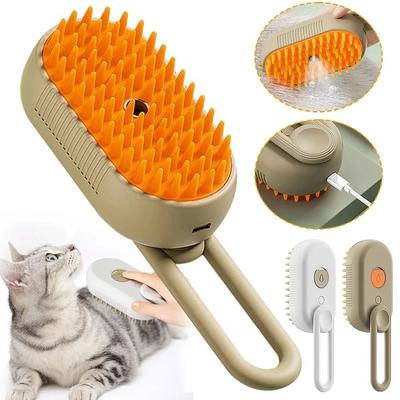
Uplifted Finds Hydro Vapor Predatory Grooming Hub Hydro Vapor Predatory Grooming HubOptimize your pet's dermatological health and domestic cleanliness with the HydroVapor Grooming Hub, a professionalgrade maintenance system engineered with coolmist atomization logic. This highutility 3in1 module features a specialized integrated...45,97 $*Shipping: 0,00 $Secure redirect to the provider
-
Calvin Klein Vapor Area RugExpress your ultra-modern sensibility with the CALVIN KLEIN Vapor Collection. These area rugs will instantly upgrade your favorite room, with exciting, abstract designs, and make the perfect complement for your own eclectic decor.131,00 $*Shipping: 0,00 $Secure redirect to the provider
-
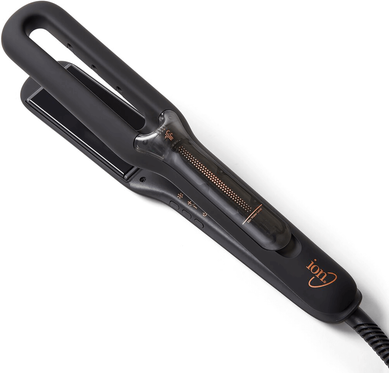
Ion Luxe Cold Vapor StylerTake your styling to the next level with this tool! Cold vapor is better than steam. Ultrasonic technology transforms water into cold vapor, adding optimum moisture and maximum shine to hair for smooth, sleek results that last longer. 1.75IN Ceramic...79,99 $*Shipping: 0,00 $Secure redirect to the provider


-
Which vapor barrier is the right one?
The right vapor barrier depends on various factors such as climate, building materials, and local building codes. In general, a vapor barrier with a low permeability rating (less than 1 perm) is recommended for colder climates to prevent moisture from entering the building envelope. However, in warmer climates, a vapor barrier with a higher permeability rating may be more suitable to allow for moisture to escape. It is important to consult with a building professional to determine the most appropriate vapor barrier for your specific situation. **
-
How can a vapor barrier be retrofitted?
A vapor barrier can be retrofitted by installing a continuous sheet of plastic or foil material on the warm side of the insulation in a building. This can help prevent moisture from entering the building envelope and causing issues such as mold growth or structural damage. It is important to ensure that the vapor barrier is properly sealed and installed to be effective in controlling moisture levels within the building. Additionally, it is recommended to consult with a professional to determine the best approach for retrofitting a vapor barrier in a specific building. **
-
What are the differences between vapor barrier materials that are vapor-permeable and vapor-tight?
Vapor barrier materials that are vapor-permeable allow some moisture to pass through them, while vapor-tight materials do not allow any moisture to pass through. Vapor-permeable barriers are often used in situations where some moisture control is needed but not complete vapor blockage, such as in walls or roofs. On the other hand, vapor-tight barriers are used in areas where complete moisture control is necessary, such as in basements or crawl spaces. The choice between vapor-permeable and vapor-tight materials depends on the specific moisture control needs of the space being insulated. **
-
Can you use plasterboard without a vapor barrier?
Yes, plasterboard can be used without a vapor barrier in certain situations. Plasterboard itself is not a vapor barrier, so in areas where moisture is not a concern, such as interior walls or ceilings, a vapor barrier may not be necessary. However, in areas prone to high humidity or moisture, such as bathrooms or kitchens, it is recommended to use a vapor barrier to prevent moisture from seeping into the plasterboard and causing damage. Ultimately, the decision to use a vapor barrier with plasterboard will depend on the specific conditions of the space being constructed. **

How do I properly install the vapor barrier?
To properly install a vapor barrier, start by cleaning the surface where the barrier will be placed to ensure it is free of debris. Next, cut the barrier to the appropriate size, allowing for some overlap at the seams. Secure the barrier in place using adhesive or tape, making sure to seal all seams tightly to prevent any air leakage. Finally, inspect the barrier to ensure it is properly installed and make any necessary adjustments before continuing with the rest of the construction process. **
How can a vapor barrier be installed retroactively?
To install a vapor barrier retroactively, you can start by identifying the areas where moisture is a concern, such as basements or crawl spaces. Next, you can clean the surface where the vapor barrier will be installed and ensure it is dry. Then, you can apply a suitable vapor barrier material, such as plastic sheeting or a specialized vapor barrier product, and seal any seams or joints to create a continuous barrier. Finally, you can secure the vapor barrier in place using adhesive or mechanical fasteners to ensure it remains effective in preventing moisture infiltration. **
Top-Angebote
Products related to Vapor barrier:
-
Tools, Home & Hobby 12 Mil Heavy Duty Plastic Sheeting Roll 10 X 50 Ft Vapor Barrier Cover 12 Mil Heavy Duty Plastic Sheeting Roll 10 X 50 Ft Vapor Barrier CoverProtect your spaces with reliable coverage that stands up to demanding projects. This heavy duty plastic sheeting is designed for construction, gardening, painting, and moisture protection needs, offering strong durability with a flexible design....139,97 $*Shipping: 0,00 $Secure redirect to the provider
-
Tools, Home & Hobby 4 Mil Heavy Duty Plastic Sheeting 3 X 50 Ft Black Polyethylene Vapor Barrier Roll 4 Mil Heavy Duty Plastic Sheeting 3 X 50 Ft Black Polyethylene Vapor Barrier RollKeep your projects protected with dependable heavy duty plastic sheeting built for demanding indoor and outdoor jobs. This 3 x 50 ft 4 mil plastic sheeting is made from 0.1 mm polyethylene for a practical balance of toughness, flexibility, and easy...67,97 $*Shipping: 0,00 $Secure redirect to the provider
-
Uplifted Finds Hydro Vapor Predatory Grooming Hub Hydro Vapor Predatory Grooming HubOptimize your pet's dermatological health and domestic cleanliness with the HydroVapor Grooming Hub, a professionalgrade maintenance system engineered with coolmist atomization logic. This highutility 3in1 module features a specialized integrated...45,97 $*Shipping: 0,00 $Secure redirect to the provider
-
Pro or Contra: Vapor barrier?
Pro: A vapor barrier can help prevent moisture from entering the walls of a building, which can reduce the risk of mold and mildew growth. It can also help improve the energy efficiency of a building by reducing the amount of moisture that can seep into the insulation and decrease its effectiveness. Contra: On the other hand, a vapor barrier can also trap moisture within the walls if not properly installed, leading to potential issues with condensation and mold growth. It can also make it more difficult for a building to dry out if moisture does get in, potentially leading to long-term damage. Additionally, in some climates, a vapor barrier may not be necessary and could even be detrimental to the overall performance of the building. **
-
Is a vapor barrier mandatory?
A vapor barrier is not always mandatory, but it is often recommended in certain situations. In colder climates, a vapor barrier can help prevent moisture from entering the walls and causing damage. In warmer climates, a vapor barrier may not be as necessary, but it can still help with energy efficiency and preventing moisture issues. Ultimately, the decision to use a vapor barrier should be based on the specific climate and conditions of the building. **
-
Which vapor barrier is the right one?
The right vapor barrier depends on various factors such as climate, building materials, and local building codes. In general, a vapor barrier with a low permeability rating (less than 1 perm) is recommended for colder climates to prevent moisture from entering the building envelope. However, in warmer climates, a vapor barrier with a higher permeability rating may be more suitable to allow for moisture to escape. It is important to consult with a building professional to determine the most appropriate vapor barrier for your specific situation. **
-
How can a vapor barrier be retrofitted?
A vapor barrier can be retrofitted by installing a continuous sheet of plastic or foil material on the warm side of the insulation in a building. This can help prevent moisture from entering the building envelope and causing issues such as mold growth or structural damage. It is important to ensure that the vapor barrier is properly sealed and installed to be effective in controlling moisture levels within the building. Additionally, it is recommended to consult with a professional to determine the best approach for retrofitting a vapor barrier in a specific building. **
Similar search terms for Vapor barrier
-
Calvin Klein Vapor Area RugExpress your ultra-modern sensibility with the CALVIN KLEIN Vapor Collection. These area rugs will instantly upgrade your favorite room, with exciting, abstract designs, and make the perfect complement for your own eclectic decor.131,00 $*Shipping: 0,00 $Secure redirect to the provider
-
Ion Luxe Cold Vapor StylerTake your styling to the next level with this tool! Cold vapor is better than steam. Ultrasonic technology transforms water into cold vapor, adding optimum moisture and maximum shine to hair for smooth, sleek results that last longer. 1.75IN Ceramic...79,99 $*Shipping: 0,00 $Secure redirect to the provider
-
Wahl 5 Star Cordless Vapor ClipperTransform from bald to fade effortlessly with the revolutionary adjustable balding blade. The 5 Star Cordless Vapor Clipper features a powerful motor paired with the cutting edge, patent pending F32 FADEOUT blade for fast and precise results.Clipper...199,99 $*Shipping: 0,00 $Secure redirect to the provider
-
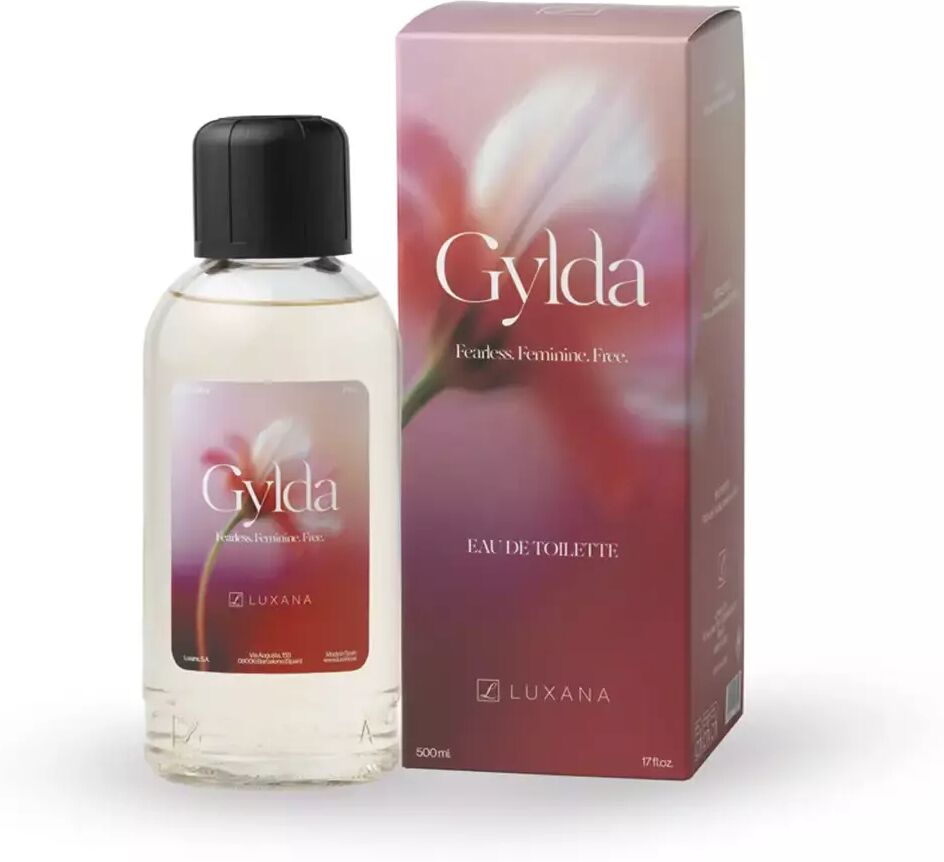
Luxana Gylda EDT Vapor 500 mlHealth and Beauty Perfumes Luxana Gylda EDT Vapor 500 ml What is Gylda EDT Vapo 500 ml? Gylda EDT Spray 500ml is one of the new fragrances from Luxana, the Spanish perfumery founded in 1941 and manufactured in its own Barcelona factory. The company classifies it as an oriental floral: it opens with pitaya, red berries, and apple; has a heart of peony, jasmine, lily of the valley, and white flowers; and finishes with patchouli, vanilla, almond, and toffee. It's a floral with a sweet undertone: it begins fruity and luminous and ends warm and sweet. The 500ml bottle is the only size in which it is sold and defines its appeal: a generously sized eau de toilette at an affordable price. Benefits The main argument is the performance: half a liter of eau de toilette lasts much longer than a conventional bottle, so it can be used daily without measuring and also to perfume after showering. Being an eau de toilette, it has medium intensity and a moderate trail, so it can be reapplied throughout the day without becoming overpowering. The spray dispenses the product well despite the bottle's size. Luxana does not publish a vegan claim or cruelty-free certification for these fragrances. They are formulas containing alcohol, and the fragrance allergens are listed on the packaging. Who is it for? Luxana is specifically targeted at women, with a free-spirited message. It's perfect for those looking for a fruity floral with a sweet base and who want a long-lasting bottle. How to apply Gylda EDT Vapo 500 ml? Spray onto pulse points, neck, and wrists, on clean, dry skin. Due to the size of the bottle, it's best to apply it while resting it on a firm surface. Product use It's a perfume for everyday wear, all year round. It can be reapplied midday. Store the bottle upright, away from direct sunlight and heat sources.18,74 £*Shipping: 4,99 £Secure redirect to the provider
-
What are the differences between vapor barrier materials that are vapor-permeable and vapor-tight?
Vapor barrier materials that are vapor-permeable allow some moisture to pass through them, while vapor-tight materials do not allow any moisture to pass through. Vapor-permeable barriers are often used in situations where some moisture control is needed but not complete vapor blockage, such as in walls or roofs. On the other hand, vapor-tight barriers are used in areas where complete moisture control is necessary, such as in basements or crawl spaces. The choice between vapor-permeable and vapor-tight materials depends on the specific moisture control needs of the space being insulated. **
-
Can you use plasterboard without a vapor barrier?
Yes, plasterboard can be used without a vapor barrier in certain situations. Plasterboard itself is not a vapor barrier, so in areas where moisture is not a concern, such as interior walls or ceilings, a vapor barrier may not be necessary. However, in areas prone to high humidity or moisture, such as bathrooms or kitchens, it is recommended to use a vapor barrier to prevent moisture from seeping into the plasterboard and causing damage. Ultimately, the decision to use a vapor barrier with plasterboard will depend on the specific conditions of the space being constructed. **
-
How do I properly install the vapor barrier?
To properly install a vapor barrier, start by cleaning the surface where the barrier will be placed to ensure it is free of debris. Next, cut the barrier to the appropriate size, allowing for some overlap at the seams. Secure the barrier in place using adhesive or tape, making sure to seal all seams tightly to prevent any air leakage. Finally, inspect the barrier to ensure it is properly installed and make any necessary adjustments before continuing with the rest of the construction process. **
-
How can a vapor barrier be installed retroactively?
To install a vapor barrier retroactively, you can start by identifying the areas where moisture is a concern, such as basements or crawl spaces. Next, you can clean the surface where the vapor barrier will be installed and ensure it is dry. Then, you can apply a suitable vapor barrier material, such as plastic sheeting or a specialized vapor barrier product, and seal any seams or joints to create a continuous barrier. Finally, you can secure the vapor barrier in place using adhesive or mechanical fasteners to ensure it remains effective in preventing moisture infiltration. **
* All prices are inclusive of VAT and, if applicable, plus shipping costs. The offer information is based on the details provided by the respective shop and is updated through automated processes. Real-time updates do not occur, so deviations can occur in individual cases. ** Note: Parts of this content were created by AI.